Water helps a plant by transporting important nutrients through the plant. Nutrients are drawn from the soil and used by the plant. Without enough water in the cells, the plant will droop, so water helps a plant to stand upright. … Too much water will affect plant growth just as much as too little.
How does the water help plants to grow?
Plants need water for photosynthesis. Absorbed by the roots, water travels through a plant’s stems to the chloroplasts in the leaves. Water also helps move nutrients from the soil into the plant. … Too much water can cause a plant’s roots to rot.
What makes a plant grow?
Plants need five things in order to grow: sunlight, proper temperature, moisture, air, and nutrients. These five things are provided by the natural or artificial environments where the plants live. If any of these elements are missing they can limit plant growth.
How do plants grow in water?
Plants that can be grown in water must extract oxygen from the oxygen dissolved in the water. … It is also possible to grow plants hydroponically. Hydroponically grown plants are grown in a solution of water containing the necessary plant nutrients.How does water affect plant growth experiment?
As water is vital to a plants survival, it is evident through this experiment that the fast plants had a greater growth in stem height as the water intake increased. The plants that received little to no water struggle to survive whilst the plants that received more water flourished and continued to grow in height.
How do plants regrow in water?
- Identify the location where you will snip your cutting from the main plant. …
- Carefully cut just below the node with a clean sharp knife or scissors. …
- Place the cutting in a clean glass. …
- Change out the water every 3-5 days with fresh room temperature water.
- Wait and watch as your roots grow!
What ways is water used in plants?
Water is used for hydrogen during the process of photosynthesis and also keeps the plant from dehydrating. Photosynthesis is when a plant uses light, water and carbon dioxide to create energy and food. Water is also used to transport the nutrients throughout the plant and its cells.
How does water move through a plant?
Overall, water is transported in the plant through the combined efforts of individual cells and the conductive tissues of the vascular system. … It is carried upward through the xylem by transpiration, and then passed into the leaves along another water potential gradient.How do flowers grow in water?
Arrange the bulbs with the pointed side up on top of the pebbles or beads, add just enough water to just under the bottoms of the bulbs. Keep the container in a room with bright, indirect light and watch the roots form. Add water as necessary to keep the level just where the root zone is forming.
How do you make a plant grow?- Preparation Is Key. The key to growing plants the right way is to make sure that the soil is prepared properly before you start planting. …
- Use The Right Fertilizer. …
- Soak Seeds In Tea. …
- Grow Seedlings Inside. …
- Spice It Up. …
- Talk To The Plants. …
- Coffee Grounds. …
- Weeding.
What makes a plant grow faster?
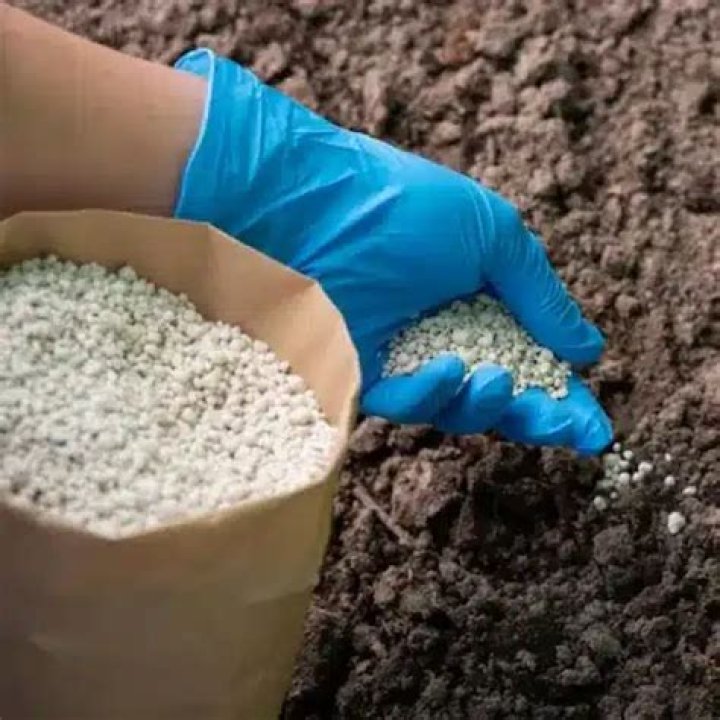
Fertilizers. The single most effective way of speeding up the growth in plants is plant fertilizers. Plant fertilizers vary in terms of their NPK composition. Generally speaking, nitrogen aids new green growth, phosphorus builds strong roots and flowers, and potassium ensures strong and healthy plant cells.
What water makes plants grow faster?
The best water for plants, and the type of water that tends to make them grow fastest, is rain water, because it is purer than tap water or even well water.
How does water affect germination?
Moisture essentially brings the seed back to life. When the seed fills with water in a process called imbibition, it activates enzymes to initiate the germination process. On the other hand, too much water can cause seeds to rot instead of developing into a seedling.
What plants can grow in water?
- Chinese evergreen (Aglaonemas)
- Dumbcane (Dieffenbachia)
- English ivy.
- Philodendron.
- Moses-in-a-cradle (Rhoeo)
- Pothos.
- Wax plant.
- Arrowhead.
Can roots grow in water?
Many types of cuttings produce roots growing in water. This is an easy way to grow some species. … Most grow in tap water, but a denatured water may be best for sensitive plants. Cuttings that root in water must have the liquid changed frequently and aerated once in a while.
Why do plants grow roots in water?
The explanation given is that the roots need oxygen; they will rot and die if they’re in standing water for too long. But a lot of the same plants will root if you take a cutting and place it in water for long enough. An example of this is kiwi vines. They require well drained soil.
Can you grow any plant in water?
Growing plants in water is an easy way to propagate indoor plants like begonias, spider plants, and coleus. … It may take weeks or months but you can eventually transplant the rooted plants to a pot of soil or you can continue to enjoy them in water.
Which plants grow in water and land?
Sponge plants are plants which may grow in water or on land. Even though they’re normally located in sea level, a few sponge plants are seen climbing at over 9,000 feet above sea level.
How does the water move?
From the clouds to the ocean, gravity keeps water moving downward. Then transpiration and evaporation move it upward again, and the cycle continues on and on. Gravity causes rivers to flow downhill, sometimes for thousands of miles, until they reach the ocean.
What helps houseplants grow?
- Less H2O. Interior plants need less water in winter. …
- Hold the fertilizer. …
- Let in light and keep plants clean. …
- Increase humidity. …
- Prepare for spring. …
- Cut away old growth. …
- Refresh the soil.
What are the 5 things plants need to grow?
Plants, like all living things, have basic needs that must be met for them to survive. These needs include: light, air, water, a source of nutrition, space to live and grow and optimal temperature.
What is a type of water plant?
Some aquatic plants are used by humans as a food source. Examples include wild rice (Zizania), water caltrop (Trapa natans), Chinese water chestnut (Eleocharis dulcis), Indian lotus (Nelumbo nucifera), water spinach (Ipomoea aquatica), and watercress (Rorippa nasturtium-aquaticum).
What are the 4 stages of plant growth?
The plant life cycle consists of four stages; seed, sprout, small plant, and adult plant. When the seed gets planted into the soil with water and sun, then it will start to grow into a small sprout.
What are the 6 steps to plant growth?
The stages that plants go through are from seed to sprout, then through vegetative, budding, flowering, and ripening stages. Similarly, the nutritional needs of people and plants change as they grow.
What are the five steps of plant growth?
- Start With Seeds or Clones. You have two choices when you start an indoor crop. …
- Choose a Simple Setup.
- Let There Be Lights.
- Raise Leafy Plants. Give the seedlings you planted 18 hours of light daily and keep their roots damp, but not soggy. …
- Switch on the Flowers.
Is Coke good for plants?
Sugary soda pops are not the most ideal choices for use as fertilizer. … Therefore, pouring soda on plants, such as Classic Coca Cola, is inadvisable. Coke has a jaw dropping 3.38 grams of sugar per ounce, which would certainly kill the plant, as it would be unable to absorb water or nutrients.
Is milk good for plants?
Use it in your garden. The beverage isn’t just good for the human body, but it’s beneficial for plants, too. Milk serves as a fertilizer for your garden to help plants grow, as well as has antifungal and pesticidal attributes.
Do plants like sugar water?
Avoid using sugar water on plants that are growing properly. Plants use photosynthesis to produce the amount of nutrients they need, and often if you add sugar when the plants area already growing well on their own, the plant roots will not accept the sugar and plants will wilt and die off.
Is tap water OK for plants?
Best Water for Houseplants Most tap water should be fine for your houseplants unless it is softened because it has salts that can build up in the soil over time and eventually cause problems. Chlorinated water is also safe for most houseplants, but if you have a filtration system, that’s even better for your plants.
Why does rain water make plants grow better?
Stored rainwater may contain some organic matter, in the form of insect larvae or algae growth. Rain also contains traces of nitrates, essential for plant growth. If you filter or distill your tap water, then it is better than straight tap water for your houseplant.
Is boiled water better for plants?
Cold boiled water is very good for plants because the impurities and potential harmful bacteria in the water will have been killed in the boiling process. … This purification of the water should be your main motive for using boiled water. Boiled water is also great for sterilizing seeds and raising young cuttings.