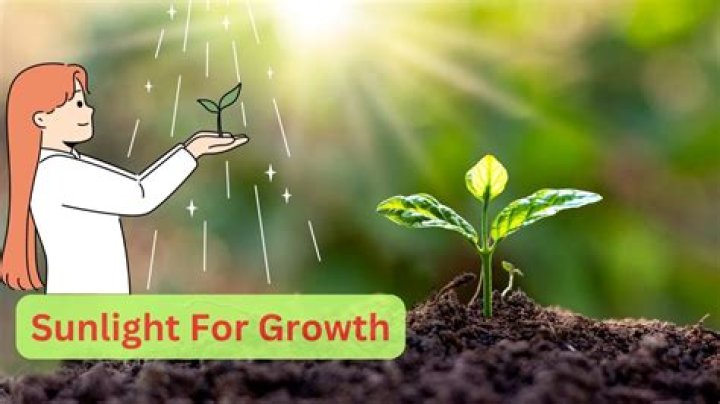
Answer: Absolutely. Green beans, whether pole beans or bush beans, can be grown in a greenhouse if given good soil, full sun, regular moisture, and temperatures that do not get too hot. Green beans grow best in temperatures between 50 and 85 degrees F.
When can you plant beans in a greenhouse?
Green beans are a popular crop for greenhouses especially in the early spring and late fall when the outdoor soil temperature is too low to sprout the seeds. A greenhouse ensures a stable temperature and enough warm growing days to be able to grow asparagus beans in even the most northern regions of the country.
What can you grow in an unheated greenhouse?
Besides greens like spinach and lettuce, you can grow cold tolerant veggies such as cabbage and broccoli in your unheated greenhouse. Celery, peas, and the ever-popular Brussels sprouts are also excellent cool-weather veggie choices for unheated greenhouse growing.
Can you grow beans in a greenhouse in winter?
Plants for winter are; Winter Lettuce, Potatoes, Spinach, kale, cabbage, Bok choy, Chinese cabbage, Onions, Shallots, Peas, Broad beans, Garlic and Spinach. These plants can all be grown in an unheated greenhouse through winter, providing you follow a few guidelines; Guidelines.How much earlier can you plant in a greenhouse?
These plants endure significantly lower temperatures and are able to be planted outdoors 3-4 weeks before your last frost date. Utilize your greenhouse to plant them even earlier without frozen ground or exceptionally cold evenings stopping you.
Can I grow runner beans in greenhouse?
It is important to remember that runner beans need a lot of soil moisture, which is why, growing them in a greenhouse is actually perfect. You can choose to hand water the plants or use an oscillating sprinkler. The main garden is small enough this year to handle with one oscillating sprinkler.
What should I plant in my greenhouse now?
- Lobelia.
- Begonia Tubers.
- Snapdragons.
- Dahlia tubers.
- Sweet Peas.
- Chrysanthemum.
- Geraniums.
How long does it take from the time green beans are planted until they are harvested?
Green beans should be ready for harvest 45 to 60 days after planting, depending on the variety. Harvest beans while they are still immature and not fully developed.Can you grow black beans in a greenhouse?
Organic Vegetable GardeningUrbanGarden ZonesTipsGreenhouseContainer GardeningNatural Pest Control
What temperature is too cold for a greenhouse?So with this in mind, it’s safe to say that any temperatures below 55 degrees Fahrenheit for a hothouse and below 45 degrees Fahrenheit for a cold house can be termed as “too cold for a greenhouse.”
Article first time published onWhat can I grow in a small greenhouse for beginners?
In the Summer, the Mini greenhouse can be used for protected crops such as tomatoes, peppers, cucumbers and aubergines. As other plants are planted out, the space left can be used for home grown Mediterranean crops.
What can I grow in a small greenhouse UK?
- Peppers. Since nearly all pepper varieties occur naturally in hotter climates, they are idea candidates for greenhouse growing. …
- Tomatoes. …
- Cucumbers. …
- Root Vegetables. …
- Calabrese/Broccoli. …
- Sweetcorn. …
- Squash. …
- Brussels Sprouts.
Are plastic greenhouses any good?
The best plastic greenhouses are a cheaper alternative to greenhouses, but they also have advantages in their own right: Plastic greenhouses come in smaller sizes than glass greenhouses. … Plastic greenhouses extend the growing season (especially early sowings) and can increase success with heat loving vegetables.
Do plastic greenhouses work?
Plastic greenhouses generally help heat-loving plants to grow. This is because they retain warmth from being exposed to sunlight for long periods of the day. However, their effectiveness is not limited to full sun annuals or easy growing vegetables. … You can also use mini plastic greenhouses for seed starting indoors.
What can I grow in my greenhouse in July?
- July is an ideal time to sow spring-flowering perennials in seed trays filled with good quality compost. …
- You can also sow summer-flowering perennials such as Scabiosa, Achilea, Echinacea and Geraniums.
Can you grow vegetables all year round in a greenhouse?
Yes, you can grow vegetables in a greenhouse year-round. Rotate through seasonal vegetables, or set up a dedicated tropical greenhouse.
What can I grow in a greenhouse in April?
Sow seed outdoors for beetroot, carrots, Swiss chard, summer cauliflower, kohl rabi, lettuce, leeks, radish, turnip, spring and pickling onions, peas and perpetual spinach in well-prepared soil. Try sowing unusual vegetables such as salsify, Hamburg parsley, or scorzonera.
Is a greenhouse worth it?
Is a Greenhouse Worth It? If you’re even asking yourself the question then, yes, a greenhouse is worth it. A greenhouse provides you with an environment where you can grow plants and vegetables year round. Despite some investment of money, the fruits of your labor make it worth it.
What vegetables do well in a greenhouse?
The best vegetables to grow in a greenhouse are ones you’ll eat or sell, & that thrive indoors: tomatoes, peppers, strawberries, lettuce & other greens, beans & peas, & cucumbers. Take advantage of cold-tolerant plants like greens during winter, and heat-tolerant plants like peppers during summer.
What vegetables can you grow in a greenhouse?
- Carrot varieties.
- Onions.
- Asparagus.
- Spinach.
- Eggplants or Aubergines.
- Turnips.
- Kale.
- Zucchini or Courgettes.
What can I grow in a greenhouse in June?
In June you will get a lot of produce from your tunnel or greenhouse: Beetroot, cabbage, carrots, chervil, coriander, courgette, dill, French beans, kohlrabi, lettuce, peas, potatoes, radish, salads (any), scallions, spinach, strawberries, turnips.
Can I plant runner beans in July?
The best time to plant runner beans is between June and July, according to the Royal Horticultural Society (RHS). They’re very vulnerable to the frost, so you’ll want to make sure there’s no morning frost left in the season before popping them in the soil.
When can I plant my runner beans outside?
Well-developed seedlings can be planted out after the last frost, usually around late May. You can make later sowings outside in May and June, but these won’t start cropping until July or August.
What month are runner beans ready?
Runner beans are usually ready to harvest in July, when the pods reach about 20cm (8″) long.
What bean plant grows the fastest?
Tip. Bush bean varieties tend to be the fastest-growing beans. Varieties like ‘Topcrop’ and ‘Contender’ can be harvested in as little as 48 days, notes the University of Arkansas.
Can you grow peas in a greenhouse?
If you want to get a head start with your pea plants it’s easy to sow them indoors or in a greenhouse. In the first week of March fill an 8cm / 3in pot with multi-purpose compost, make a hole about 5cm 2in deep and drop a seed in. Cover with compost, water well and place in a cool place indoors.
Can I grow beans from dried beans?
Have you ever wondered if you can grow beans from a packet of dried beans from the grocery store? The answer is yes, you can!
Do green beans grow back after you pick them?
They produce most of their crop at once, though the plants will keep producing if you keep them well-harvested.
How warm does it need to be to plant beans?
Beans, for example, will only germinate if the soil temperature is above 60 degrees F and no warmer than 95 degrees F. You can use a Compost Thermometer to measure soil temperatures. There is also an “optimum temperature” at which seeds germinate most readily.
How many beans can one plant produce?
When I eventually only saved seed to plant from the long pods, all I got was long pods. That set me to counting a lot of other varieties and the bulk of them will average about 120 beans per plant.
How do I keep my greenhouse warm at night?
Add thermal mass One of the easiest and least expensive options for warming greenhouses in the winter is to create a thermal mass or heat sink. These are objects that absorb heat during the day and release it during the chilly nighttime hours.